Sound intensity or loudness depends on several factors. Sound pressure is measured in decibels (dB), and our ears are sensitive to changes in the intensity of sound. Our ears are complex - the louder a sound is, the less sensitive we are to sound pressure changes. If you expose your ears to high sound pressures for too long, you'll potentially damage them. A hushed room will have an ambient sound level or around 30-40dB. Speaking to someone in a room can produce sound levels of about 60-70dB, and loud music is around 80-90dB. Extreme volumes of music are well over 90dB. Comfortable music levels are around 70-80dB. The intensity of the sound will lessen the further away you are from a speaker. Headphone speakers produce very low sound pressure from a distance, but because they're so close to your ears, the sound pressure can be very high and hearing loss can occur at elevated sound levels.
Most speaker manufacturers will quote a speaker sensitivity level. This is the amount of sound pressure directly in front of the speaker, usually at a distance of 1m. It's important to note that speakers produce varying levels of sound pressure depending on what frequency they are playing and sound pressure levels that are quoted are usually an average across a frequency range. Certain frequencies may create a higher sound pressure than the quoted level. The human ear can be permanently damaged with constant exposure to sound pressure levels over the recommended maximum daily limits listed below. These are guideline limits set by the American Occupational Safety & Health Administration:-
| Exposure (daily) | Sound pressure |
|---|---|
| 8 hours | <= 90dB |
| 6 hours | <= 92dB |
| 4 hours | <= 95dB |
| 3 hours | <= 97dB |
| 2 hours | <= 100dB |
| 1 hours | <= 105dB |
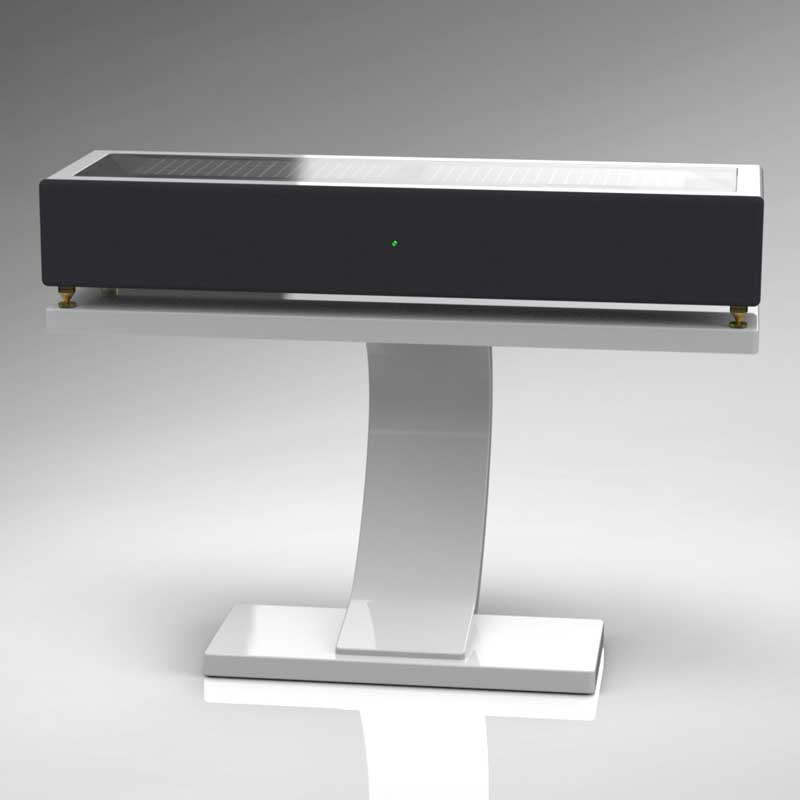
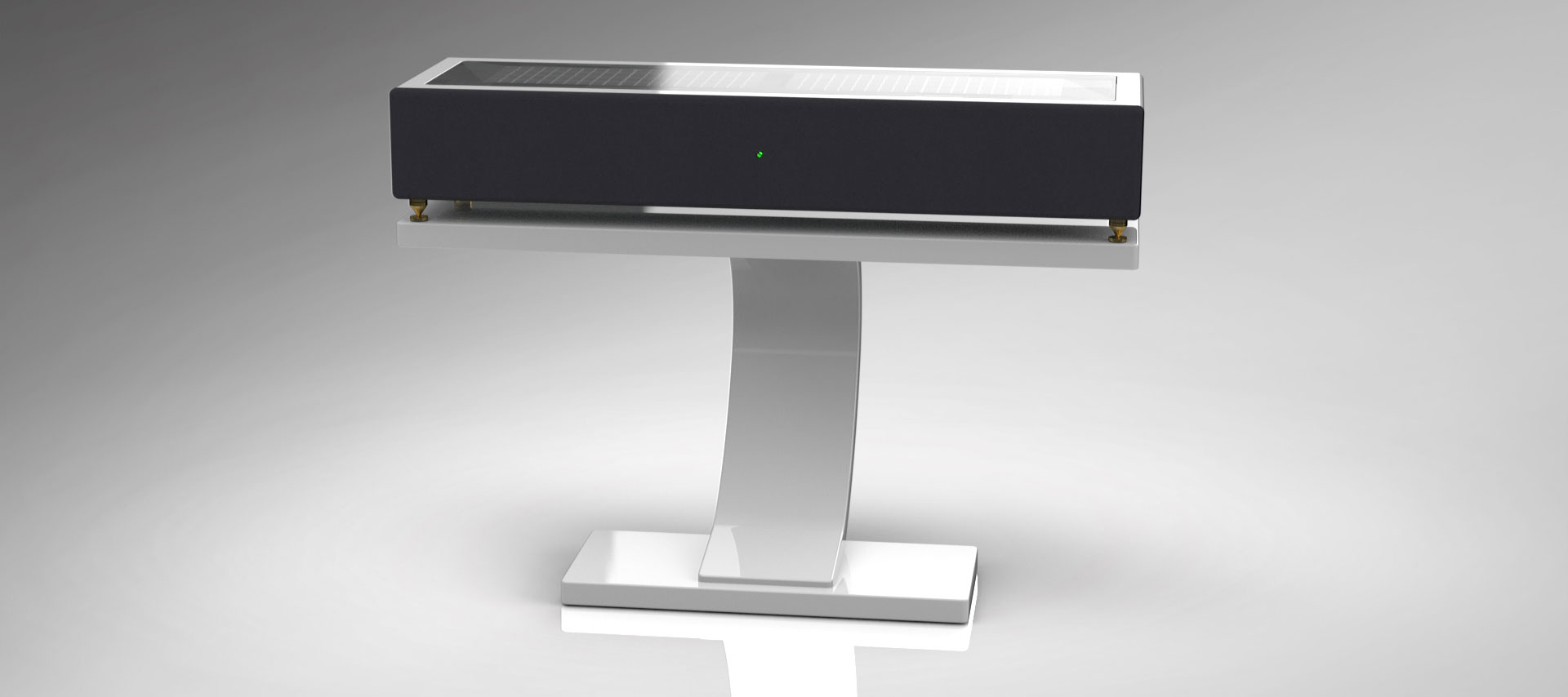
The Bass Clef uses high sensitivity acoustic drivers that require less power than other speaker systems of a similar size. At 1m away, and at low volume, the Bass Clef can produce a sound pressure level of around 97dB. At around 3m away from the speaker (that's a typical sitting distance), the sound pressure level drops to 87.5dB. That's still reasonably loud but well within the guidelines shown above for continuous listening.
If the Bass Clef is driven a little harder, then the sound pressure level at 3m away can quickly reach over 91dB. At near maximum volume, the sound pressure level of the Bass Clef can reach over 103dB. At that level, music will sound very loud but not painfully so. The brain will eventually tolerate that loudness, but your ears, unfortunately, will begin to suffer. After an hour of music playback at that volume, you may notice some ringing in your ears, and that's not a good sign. It basically means the music has been far too loud.
There are many speaker systems available that far exceed these levels, but music isn't usually listened to louder than this. What some people tend to do is increase the bass when the power is available, but increasing bass introduces distortion. The distortion can be a result of either the acoustic/speaker drivers not able to handle the power, resonances from the enclosure, or an audio signal that's clipping. Clipping occurs when an audio signal has reached a maximum level and is no longer producing a clear sound as it is out of range.
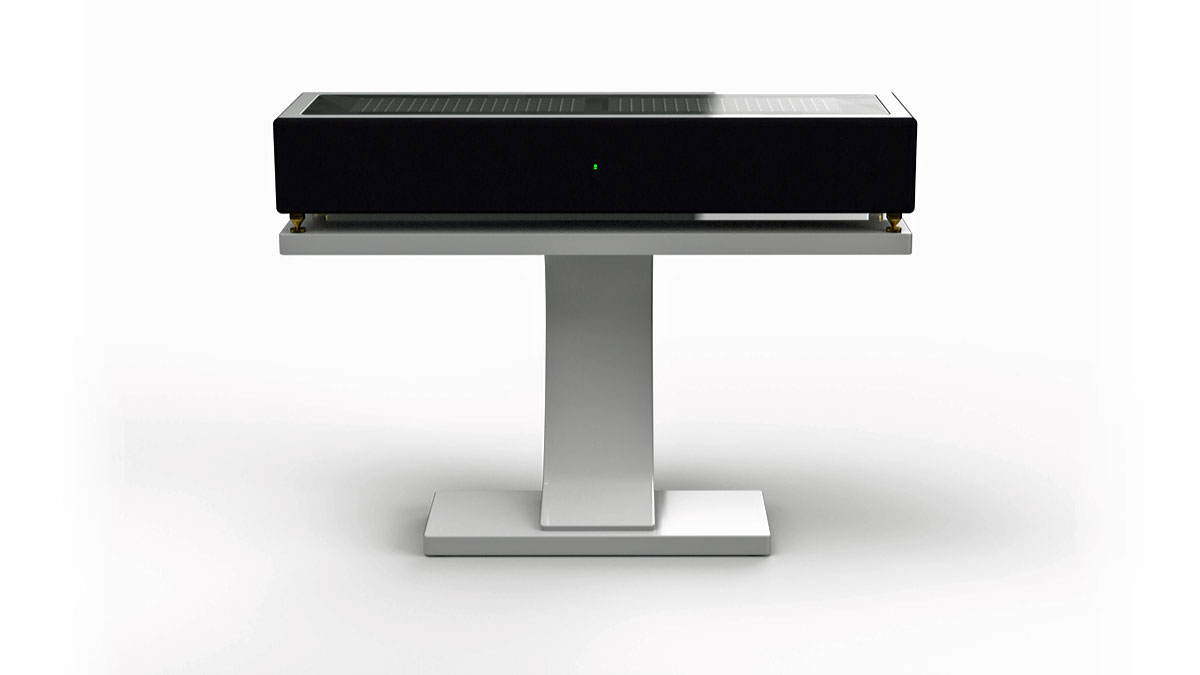
fig.1 - the Bass Clef & signature stand - front view
Music is recorded with certain sounds at particular levels just as the artist or producer intended it to be. To reproduce the music with the same effect, it should be played back through a system that replicates these levels as accurately as possible. Boosting the bass isn't doing this.
It depends on your mood, the type of music and the time of day. At maximum volume, the Bass Clef can produce sound over 110dB, 1m away from the unit. Sat 3m away, this drops to around 104dB. An optimal sound level for music, taking into account comfort and the health of your ears, is around 85dB (as an average). Anything louder than that and your brain quickly starts to build a tolerance to further increases in sound, resulting in you turning up the volume even louder. At this moderate level, all sounds of the audio spectrum are clear, and the output of the unit is linear.
Interestingly, a noticeable change in sound pressure at lower volumes doesn't result in a very noticeable increase in sound. For example, raising the volume of a speaker from 70dB to 80dB has a much smaller effect than increasing it from 100dB to 110dB. Far more power is needed to create that jump, the louder the speaker is.